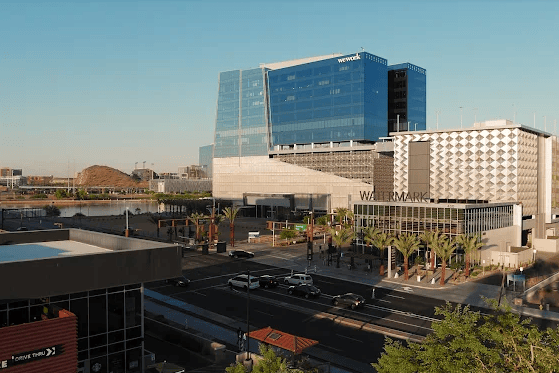
Tempe commercial real estate is staying competitive in 2026 thanks to strong demand drivers: Arizona State University, a steady flow of new businesses, and easy access to Loop 202, Loop 101, and I-10. If you’re leasing, buying as an owner-user, or investing, the goal is the same: focus on function, location, and total cost—not just the headline price.
Why Tempe Still Works
Talent pipeline + business activity near ASU
Central East Valley location with major freeway access
Infill growth and redevelopment that keeps corridors modern
Dense mix of housing, retail, and employment (built-in demand)
What’s Trending in 2026 (By Property Type)
Office: Smaller, Better, More Flexible
Tenants want efficient layouts and modern amenities
Mixed-use areas tend to outperform isolated office parks
Lease terms and tenant improvement (TI) dollars may be negotiable
Best move: Compare multiple subareas and negotiate for flexibility.
Industrial: Small-Bay Space Is Still Tight
Limited supply in central Tempe keeps competition high
Freeway access drives value
Owner-users are active where purchase options exist
Best move: Start early and be ready to move fast on the right fit.
Retail: Convenience + Services Win
Neighborhood centers with service tenants perform well
Food, fitness, and personal services remain durable
Visibility and parking still matter
Best move: Prioritize tenant quality (investors) and customer access (operators).
Mixed-Use / Multifamily: Infill Supports Long-Term Value
Walkable pockets near jobs and transit hold demand
Redevelopment corridors can offer upside with the right timing
Best move: Underwrite conservatively and focus on durable demand.
What Actually Drives Pricing and Lease Rates
Financing and interest rates (your “buy vs. lease” math)
Vacancy and absorption (how quickly space is filling)
Zoning and permitted use (what you can legally do)
Build-out costs and timelines (often bigger than expected)
Micro-location trends (one corridor can outperform another nearby)
Avoid These Common Mistakes
Picking a location before confirming zoning/permitted use
Underestimating build-out time (restaurants/medical especially)
Ignoring NNN/CAM charges and escalation clauses
Fixating on price per square foot instead of total occupancy cost
Where to Look in Tempe
Near ASU / Downtown Tempe: visibility + foot traffic (often higher costs)
Freeway-access corridors: great for industrial and service businesses
Transitional pockets: potential upside, but due diligence matters
Quick FAQs
Is Tempe good for commercial investing? It can be—when tenant quality, access, and realistic underwriting are strong.
Buy or lease? Buy for long-term stability and equity; lease for flexibility. Run both scenarios.
How early should I start? Ideally 6–12 months, especially if permits or construction are involved.
Want a Tempe Commercial Strategy That’s Clear (and Data-Driven)?
If you’re exploring Tempe commercial property—leasing, buying as an owner-user, or investing—I can help you compare options, run the numbers, and negotiate from a position of strength.
Reach out for a no-pressure consult.